Science MagazineEvolving Immunity
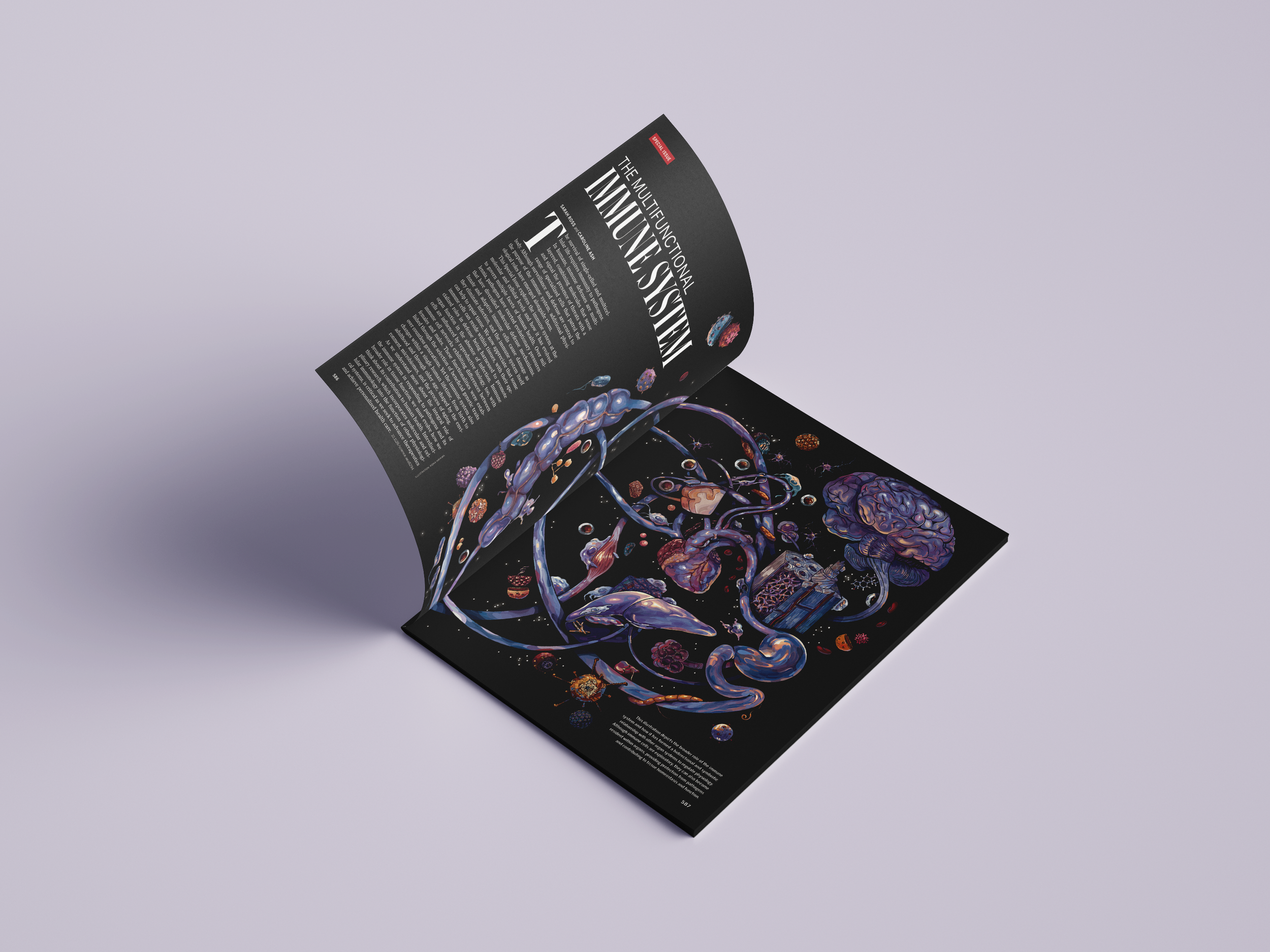
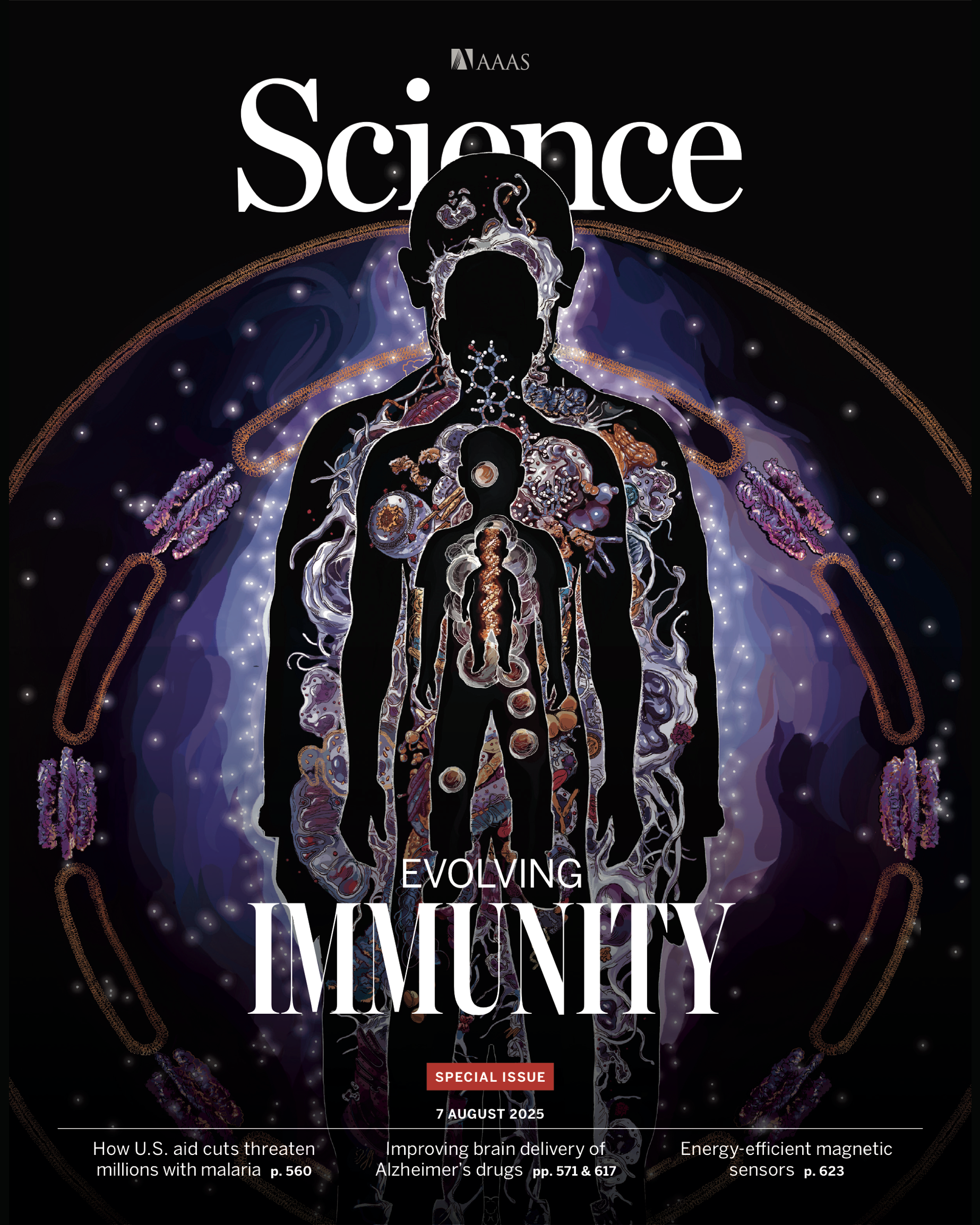
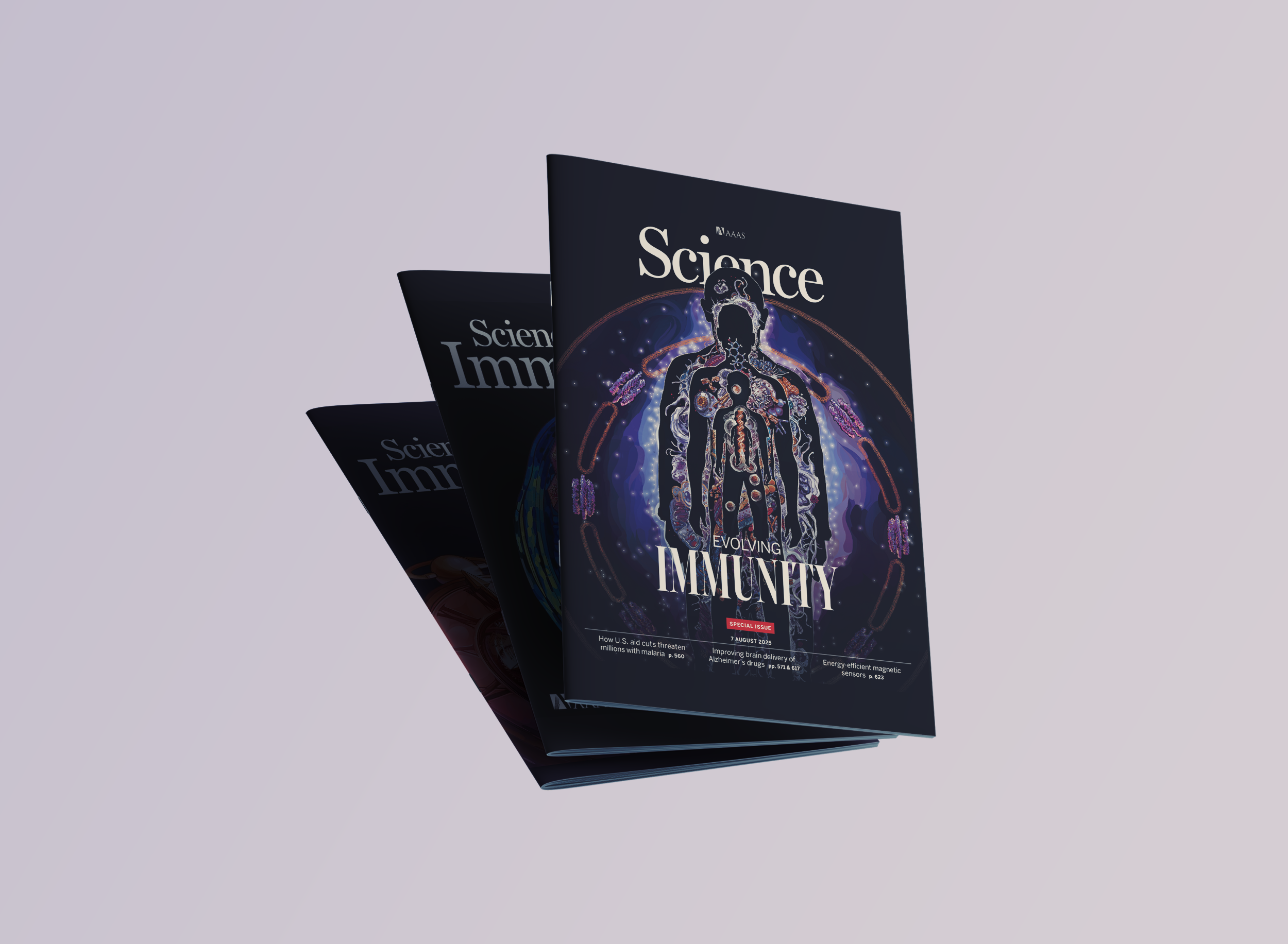
A cover and two page spread illustration was commissioned by Science for a special edition focusing on the evolution of the human immune system.
All references for biological models were sourced from the Protein Data Bank and exported to Blender utilizing the Molecular Nodes extension. Labeled variations were made for social media engagement posts. Inspiration is drawn from 1960s San Francisco psychedelic posters, in particular those produced by the Fillmore.
Art direction by Chrystal Smith.
Cover Concept Breakdown
The cover illustrations depicts the changes in the immune system throughout an individual’s life span, from infancy to childhood, adulthood, and older age. The infant silhouette contains DNA, and the figures are enveloped by the nuclear and plasma membranes. These components reference the evolution of immunity over millennia, as viruses integrated into the genome and as life progressed from single-celled to multicellular organisms.
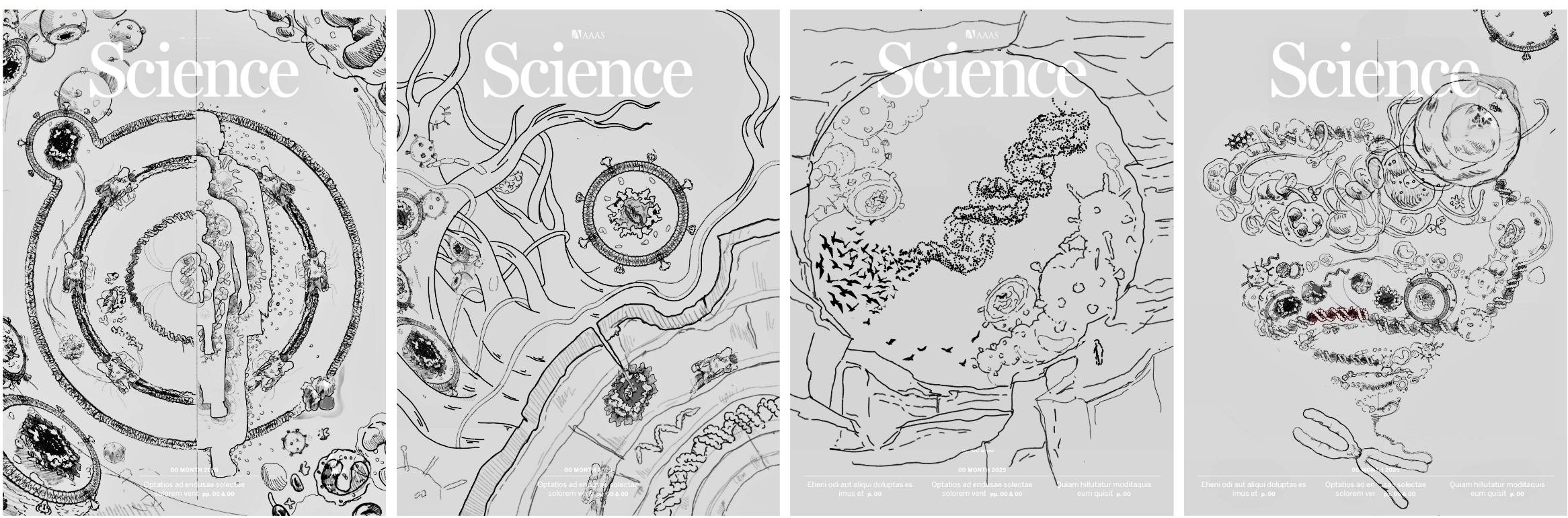
Sketch Variations
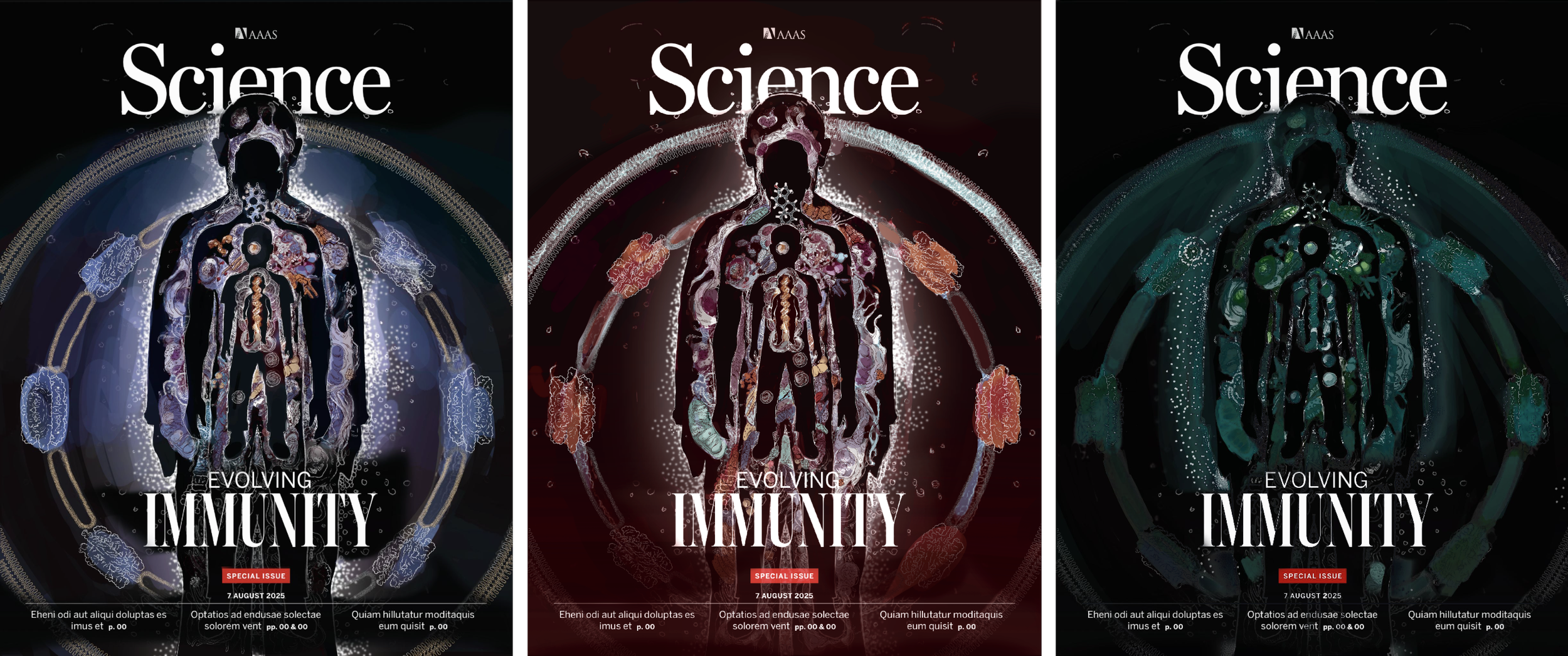
Color Variations
The central child silhouette show a high number of naive B and T cells.
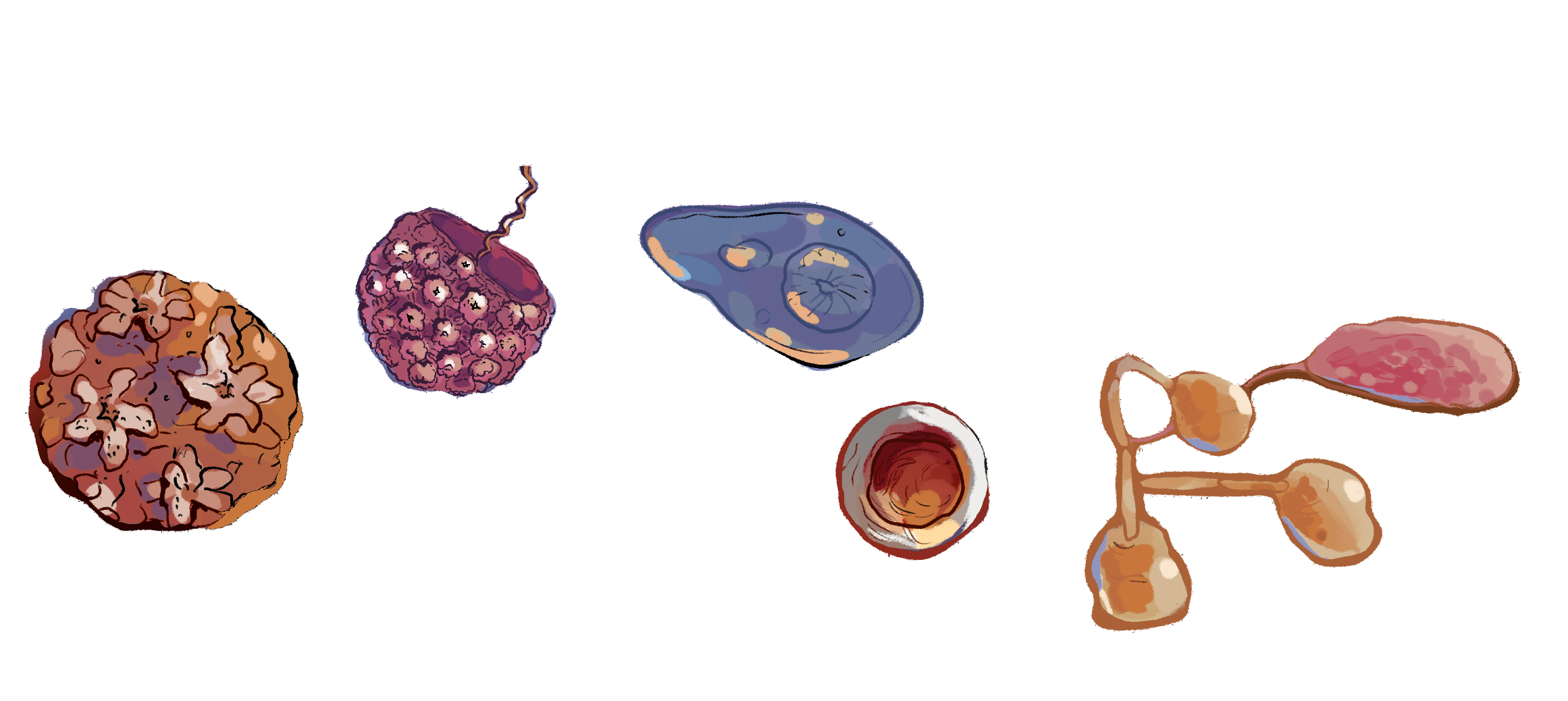
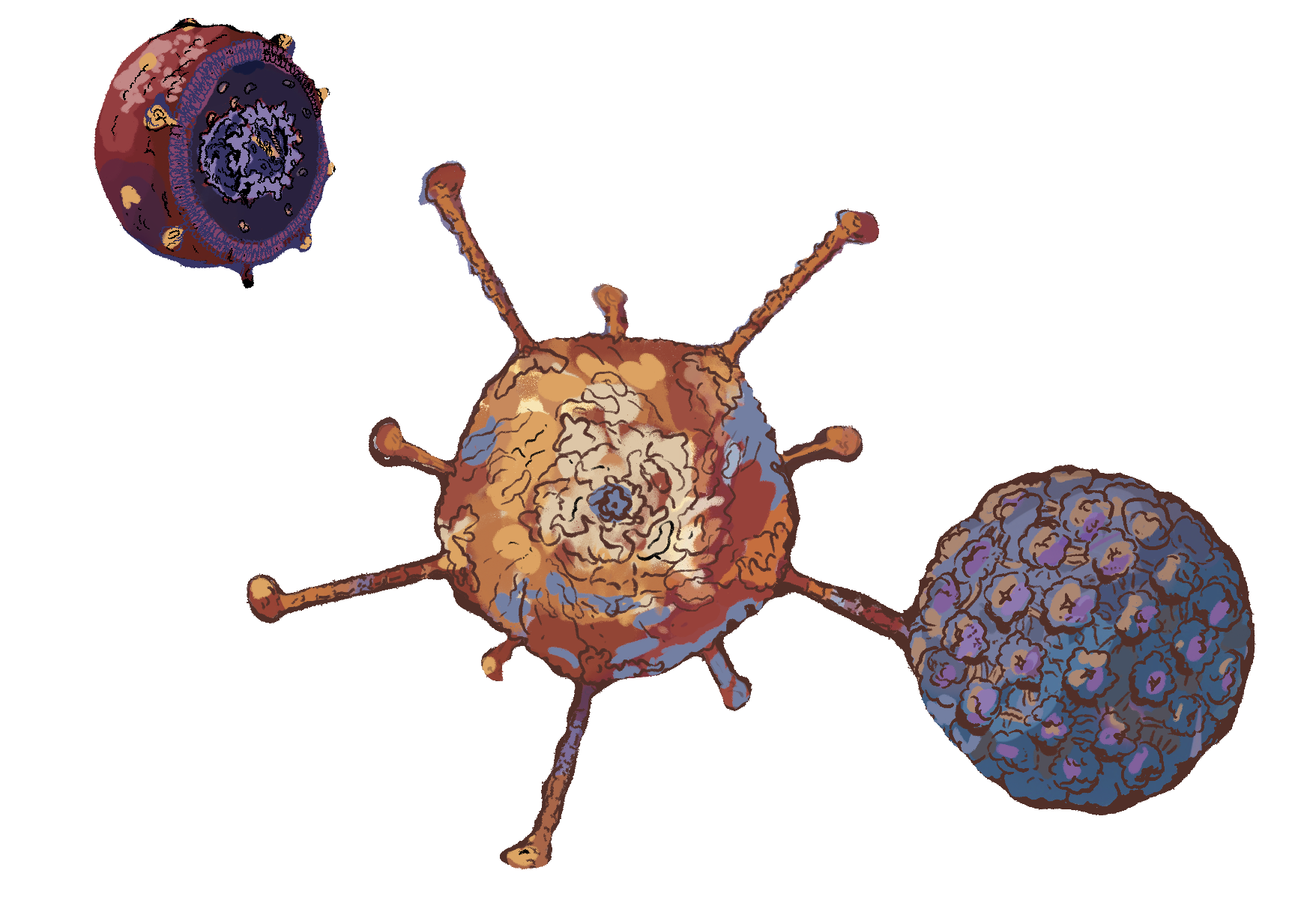
The adult silhouette shows the individualized immune profile which develops from genetic, hormonal, microbial, and environmental factors (molecular models of estrogen and testosterone, gut microbiota such as B. longum, and pathogens such as E. coli are included). The “bend, not break" strategy of balancing adaptive and innate responses to continuously update defenses is represented by the presence of both adaptive (mature lymphocytes and antibodies) alongside innate (neutrophils) immune cells.
The silhouette of the elderly figure show chronic low-grade inflammation and immunosenescence, including remodeling of T-cell immunity (functional impairment of older naive T cells) and macrophages shift from anti-inflammatory to pro-inflammatory profiles
Center Spread Concept Breakdown
The two-page spread places focus on the aftermath of evolution, depicting a bidirectional and symbiotic relationships between organ systems which the immune system regulates physiology.
An interconnected surreal collage of various organ systems and their associated immune cells are show, representing “crosstalkˮ between systems.